free bootstrap templates

Homebrew 
simplified

Brewing your own craft beer isn't crazy difficult.
and it doesn't have to cost you an arm and a leg.
Even more, it offers the best possible taste, enjoyment and fulfilment when brewing it yourself.

A simple truth    

Making your own craft beer / homebrew really isn't that difficult. You don't need a degree in mathematics and you don't need to own silicon valley. I've noticed that those who venture down this chilled amber road end up crazily anxious either because of a childlike fear of getting it wrong or because of the vastness of the terminologies / jargon that leaves you lost in translation.

Truth is: it's like baking bread or making jam. You need some ingredients, a recipe, some equipment, a little bit of help from a (relatively trusted) friend and a little bit of discipline :-)

Below you will find answers to some basic questions surrounding the brewing / fermenting / bottling process.  You will also find a shortlist of the most basic requirements, a basic recipe / formula (that you can enrich and / or adapt yourself over time) and some real basic hints and references of what I've noticed over 2 years of brewing. This simple approach and recipe will allow you to make a very basic pale ale (that has, so far, not yet disappointed me)

Note that there are three sections / disciplines here: Steeping & Boiling, Fermenting and Bottling.
Each will be explained separately.

Disclaimer: I make no claims at being any good at this. The only thing I can claim is that I've enjoyed a number of flavoured & aroma-filled beers that have given me great satisfaction in making (and it didn't break the bank).

How it works

The whole thing pretty much consists of three main steps, the first of which is the steeping & boiling process, followed by fermentation and, finally, bottling.
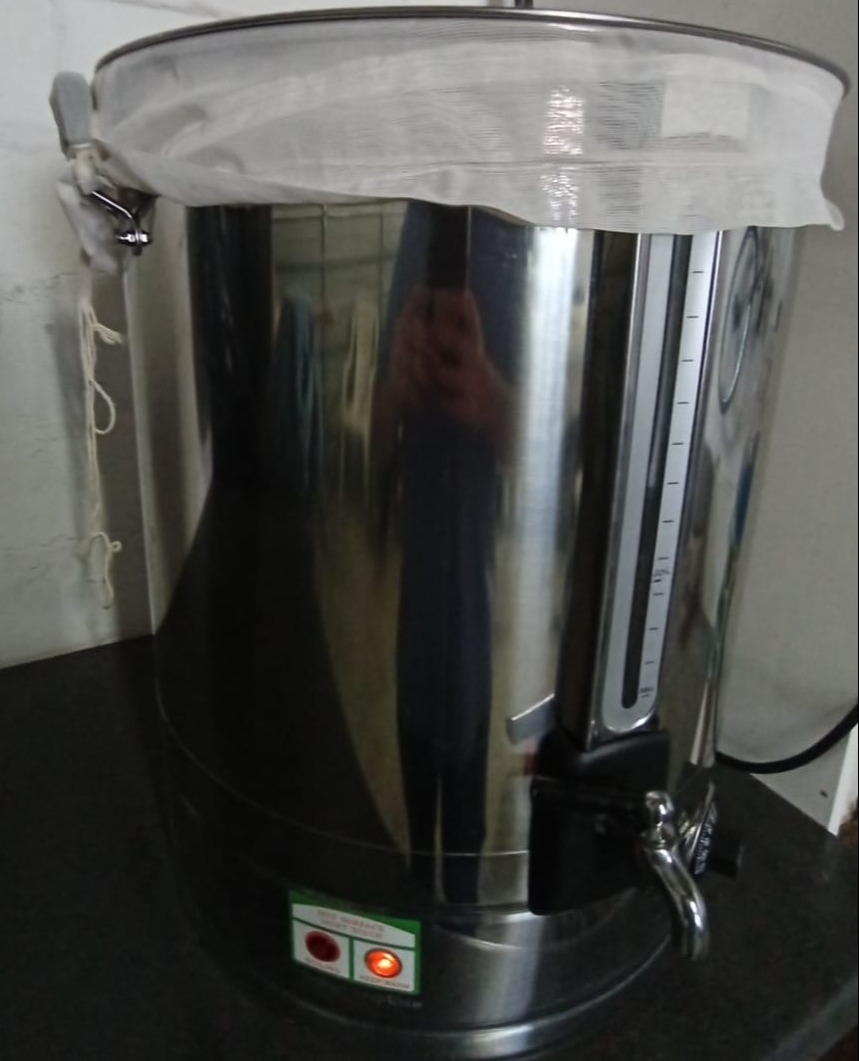
Steeping & Boiling

This is the first step in the process.
The goals are to extract all the flavours and colours from the grains, extract the bitterness from the hopps and to sterilize the liquid. The whole process takes roughly 2-3 hours including any preparation and side-tasks.
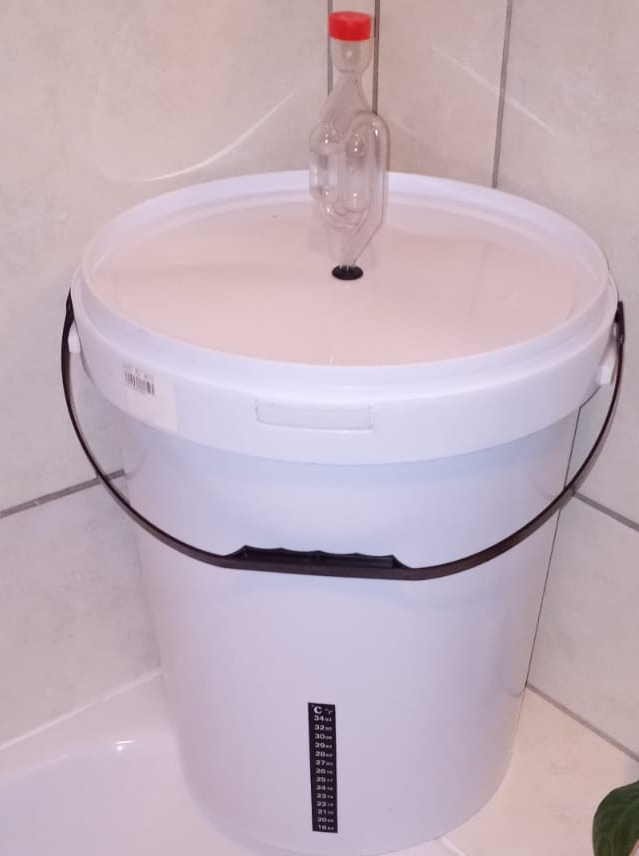
Fermentation

This is the second step in the process. The goal is to introduce the yeast to the product you created in step 1 and leave the little guys to do their work (during which they consume the sugars and exchange it with alcohol and carbon dioxide (CO2))
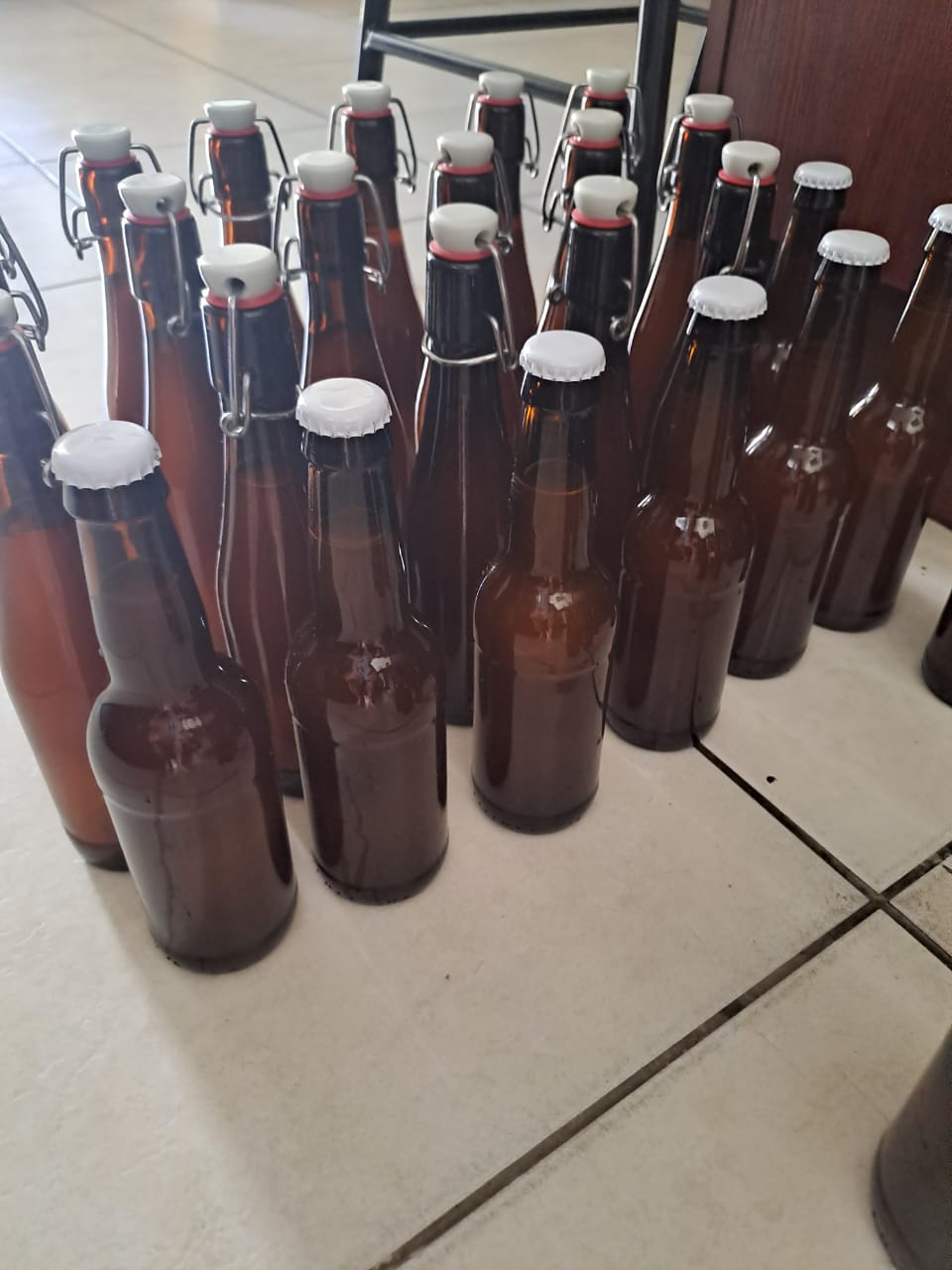
Botteling

This is the final step in the process. After fermentation you need to get the liquid into sanitized bottles (with some priming sugar) and allow for the carbonation process to take place.

© Copyright 2024 Trueshift. All Rights Reserved.